One Last Thing
PTSD/CPTSD survivors don't always see what their Lighthouses are carrying — not while they're in the storm. Inside the storm, survivors can only see or feel escape. PTSD/CPTSD narrows their field of view down to survival.
Their behaviors may not even be intentionally cruel—but that doesn’t mean it doesn’t leave scars.
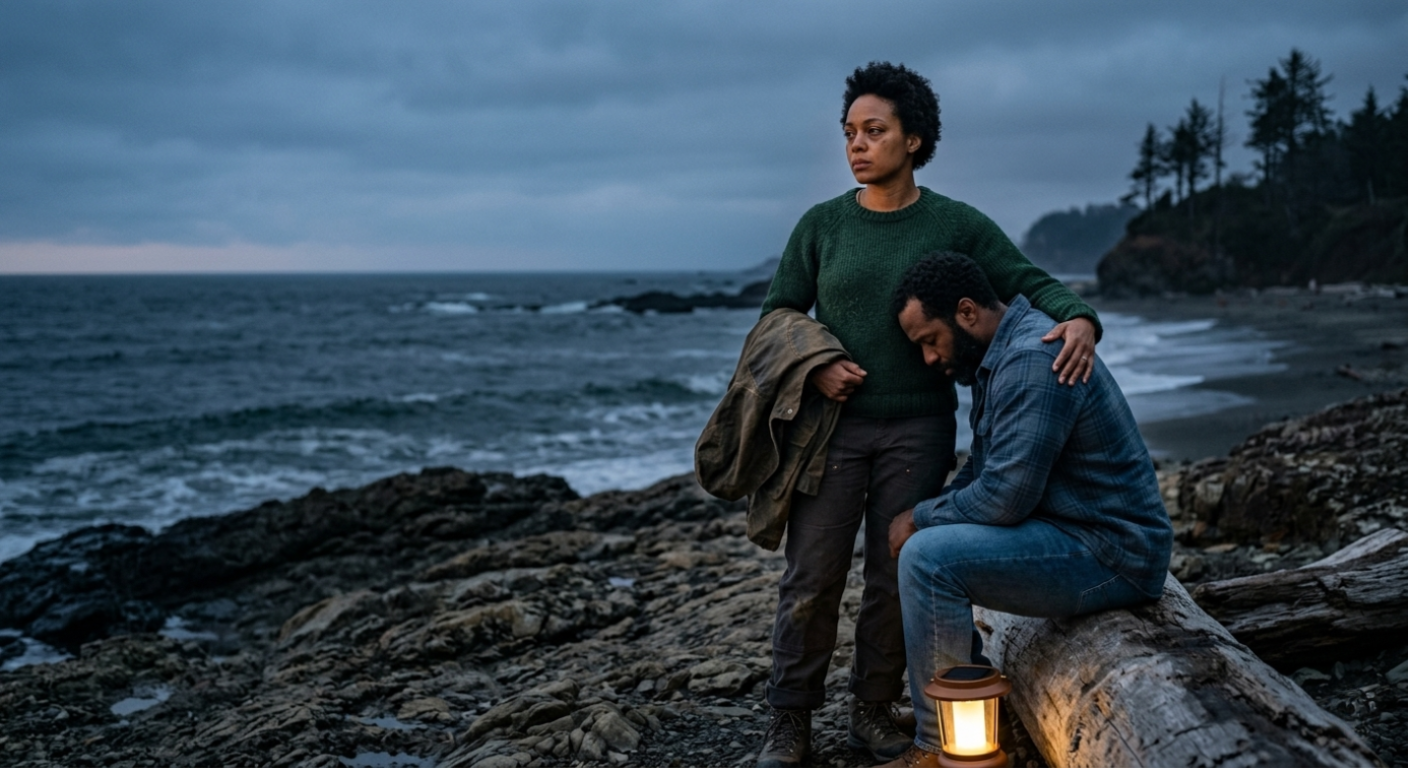
When survivors can see outside the storm, even if but a moment, they may finally see you. Standing there — still by them — and they understand what it cost you.
I call that moment The Awakening. And I talk about it The Imprint’s Echo.
—Robin
THE LIGHTHOUSE
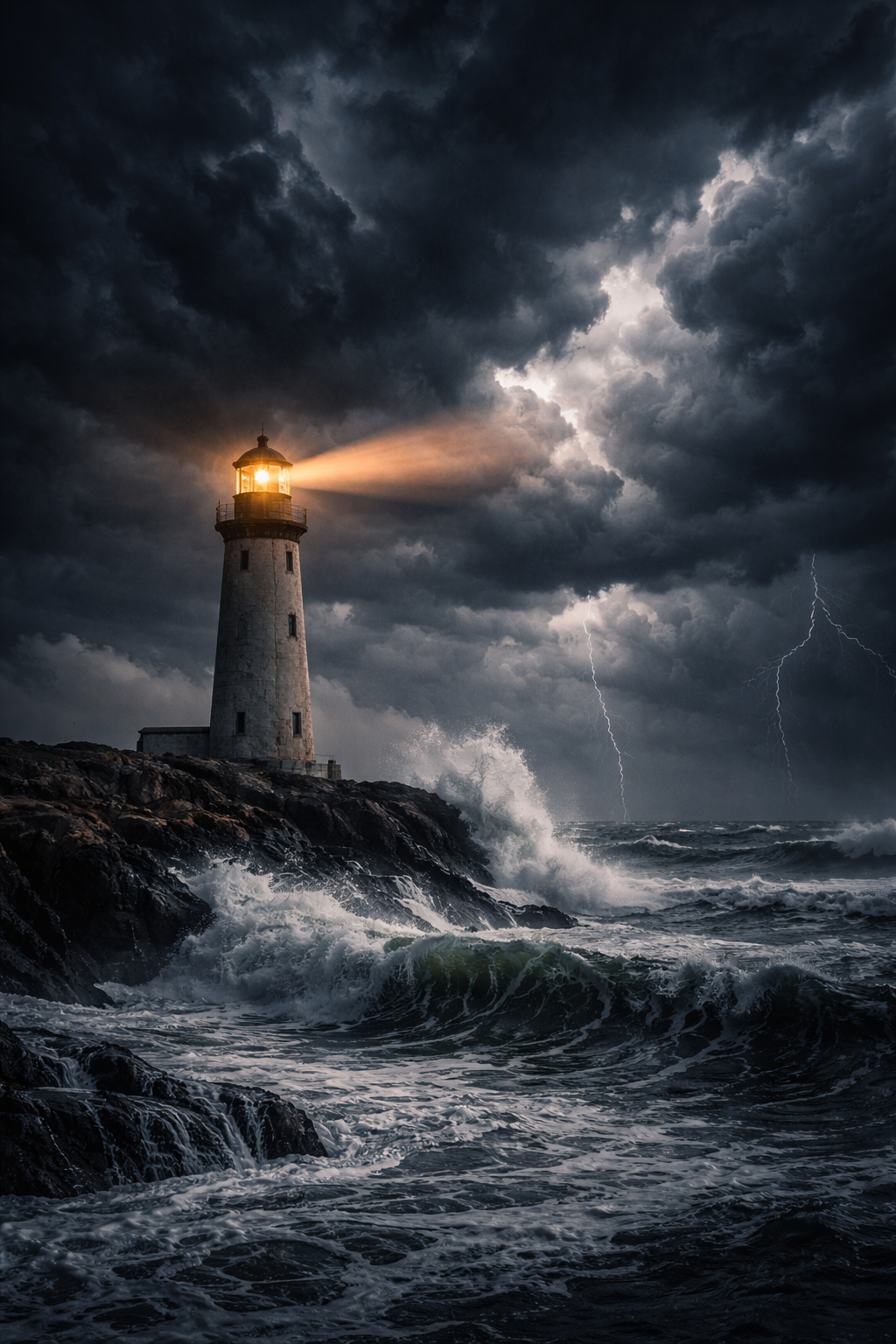
Nobody handed you a job description. You didn't raise your hand for this. One day you just looked around and realized you were the one keeping the lights on — managing the moods, absorbing the blowback, reading every room before you entered it. You became a Lighthouse without ever being asked if you wanted the job.
And it has cost you. Sleep. Peace. Parts of yourself you can't quite name anymore.
That's real. And it matters.
What Being a Lighthouse Requires
Being present without being invasive — close enough to anchor, not so close you crowd
Lowering the noise around them: fewer demands, less unnecessary conflict, more breathing room
Responding to the storm without getting pulled into it — staying steady when everything around you isn't
Listening without an agenda — not to fix, not to advise, just to be there
Knowing the difference between a bad moment and a crisis — and responding to each accordingly
Holding the line on boundaries, because boundaries aren't abandonment — they're how you stay in the fight
Taking Care of Yourself
Here's the part nobody says out loud: if your light goes out, who guides them to shore?
A Lighthouse with a dead bulb is just a dark building on a cliff. Your own stability isn't a luxury — it's a life-critical requirement.
Protect your own margin. You need mental and emotional bandwidth too — not just them
Name your limits and hold them. "I can sit with you right now, but I may need a break after" is not failure — it's fuel management
Find your own support. A therapist, a trusted friend, a support group — someone who is there for you, not through you
Take breaks, even if it’s just 15 minutes. A walk, fresh air, something that is yours and no one else's
Allow yourself to ask for help. It is not selfish to say I need something too
Give yourself permission to not be okay. You don't have to hold it together all the time in private just because you do in public
Watch for the signs in yourself — chronic exhaustion, emotional numbness, resentment building quietly. Do not ignore them. They're warning signs