Let us show you how:
You’re not broken…you’re broke!
PTSD/CPTSD is making you pay for trauma that’s already over…
with mental currency you don’t have.
Flip that script!
“Be strong, saith my guide, and put away all fear;
for we have not set out on this journey to fail.”
-Homer, The Odyssey
All tools from The Imprint’s Echo are free and downloadable.
No credit cards
No sign-ups
Just the mechanics of recovering from PTSD/CPTSD
©2026 Allen Joyner. The Imprint’s Echo. All rights reserved.
About The Imprint’s Echo
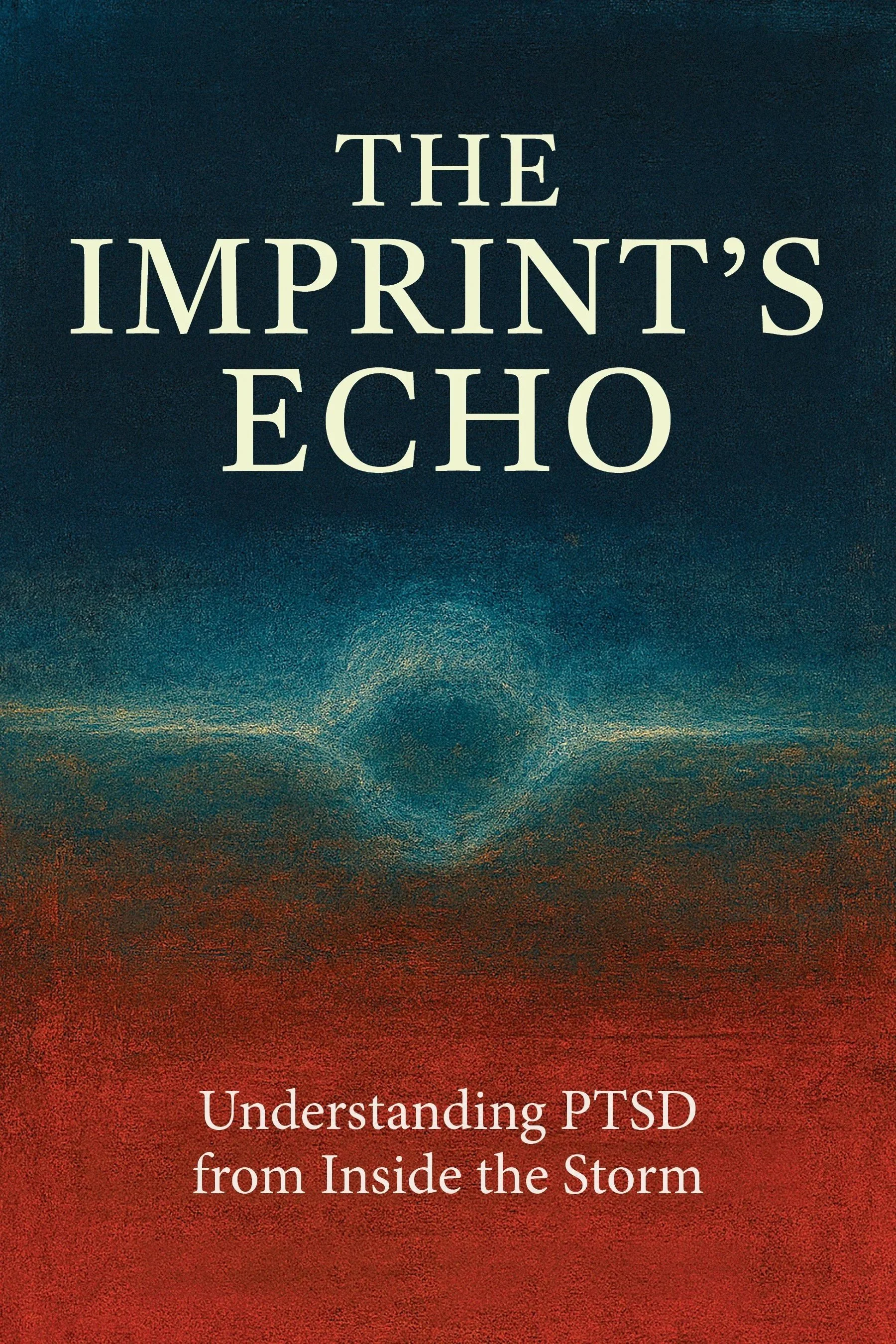
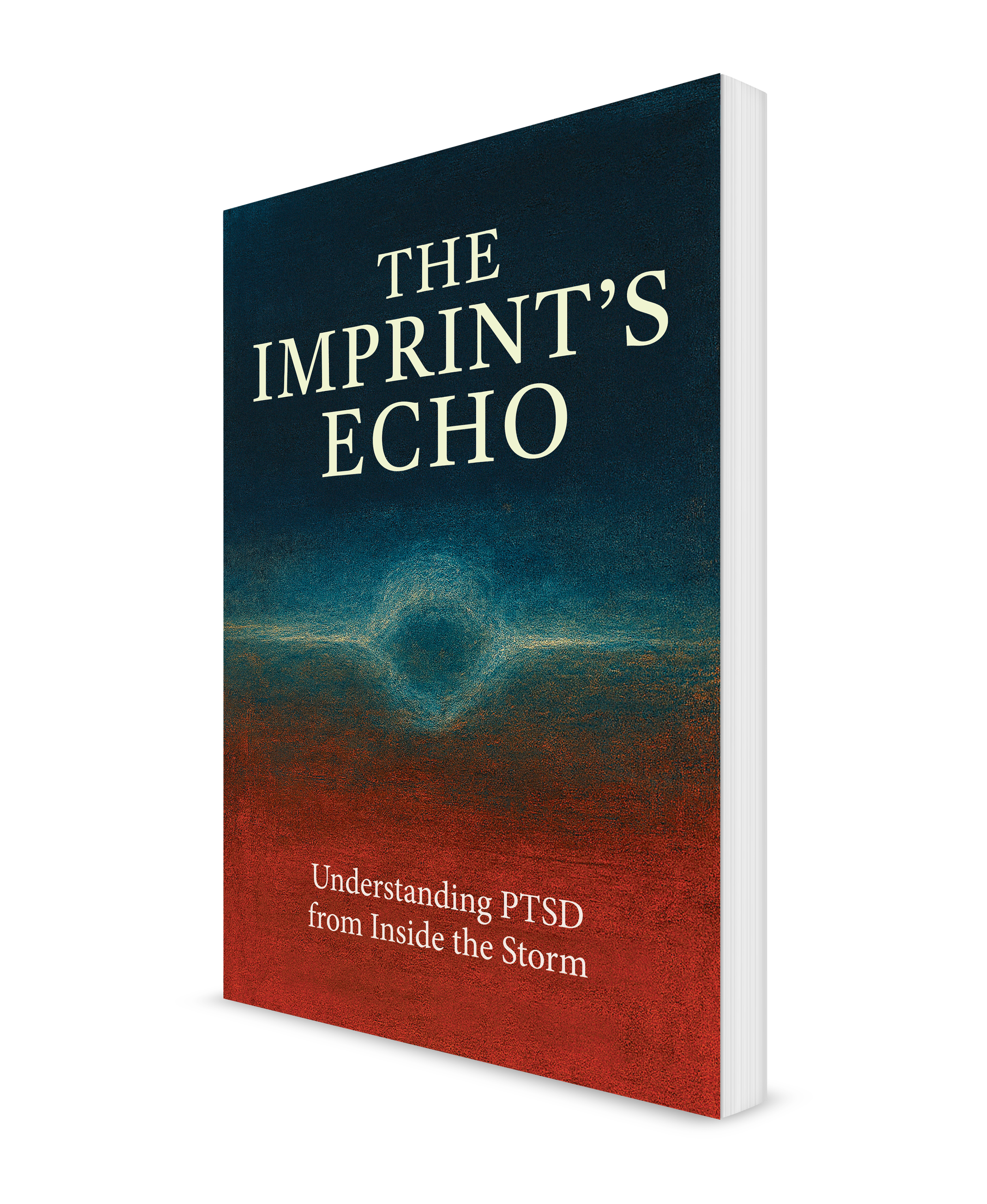
The Imprint’s Echo is a field guide for people living with PTSD and CPTSD, and their loved ones supporting them—the Lighthouses.
The Imprint’s Echo (TIE) walks you through lessons learned from the author’s therapeutic journey, from feeling different to discovery, discovery to collapse, and finally collapse to breakthrough.
TIE explains PTSD in lived experience and plain language—no jargon, no spiritual bypassing, no BS
The goal is simple: give you a map, tools that actually work, and specifics on how to grow beyond PTSD
The Imprint’s Echo doesn’t promise you anything but a path. This isn’t a 6-week or 12-step program. It is a process.
Relief from PTSD is real, but so is the work.
Book release: early summer 2026
The Imprint’s Echo is in final edits now.
We need advanced readers. If you are a PTSD/CPTSD survivor, a Lighthouse, or mental healthcare professional willing to give vital feedback by 22 March 2026, you will get a $50 Visa gift card and a free color-edition softback copy of the book.
Send interest to ops@paxmentispublishing.com
©2026 Allen Joyner. The Imprint’s Echo. All rights reserved.
Who This Book is For
PTSD/CPTSD Survivors
Lighthouses—Family and Friends
You’re watching someone you love get hijacked by PTSD and nothing you say seems to help.
This book gives you a candid, accurate picture of what’s happening inside their head—and how to reach them without losing yourself in the process.
There are “From Outside the Storm” sections in almost every chapter—talking straight to you.
Clinicians and Helpers
You know the manuals, but some clients stay stuck in the same loops.
This book is written for survivors first. This may give you a glimpse into how we think, perceive, and conceptualize under load.
Excerpts from The Imprint’s Echo
For Survivors: On Capacity
I wrote this for people who are already overloaded.
If you’re living with PTSD, you’re carrying a constant load—whether you realize it or not. Not just from the big things, but from everything. A look that feels wrong. A tone that hits sideways. A room that suddenly feels unsafe for no clear reason. Your body reacts before your mind can catch up, and now you’re burning energy just trying to stay upright.
Then there’s the internal weight: Why can’t I stop being this way? Why do I react like that? Why do I know better, but still do it anyway? Why do I feel guilty afterward—even when I didn’t mean to hurt anyone? Can we pack more shit on, please?!?!
Now think of your mental capacity for logical and emotional processing in terms of currency. All of that load costs mental currency you don’t have to spare.
Ready for the “AHA!” moment? You can’t recover from PTSD while you’re overloaded.
Recovery doesn’t fail because something’s wrong with you. It doesn’t fail because you’re not trying hard enough. It fails because there’s no margin, no spare cash, left to work with.
This book is written for the skeptical and the frustrated. For you, who have tried things already and walked away thinking, this is just how I am now.
Maybe you’ve even given up hope that you can ever break free from PTSD—not because you don’t want to, but because everything you’ve tried felt like it asked more from you than you could give.
This book takes a different approach.
It starts by reducing the load—not adding to it. It explains what’s happening in a way that actually makes sense. And it shows you a path forward that works with your current capacity, not against it.
From The Imprint’s Echo, Introduction
For Lighthouses: Being a Co-Regulator
FROM OUTSIDE THE STORM:
How to be a Co-Regulater
First thing, the most important thing, that can be said here is this:
Just be yourself. Don’t try to be something or someone you’re not.
Being a co-regulator is simple, not trivial:
1. Be present but not invasive: Physically be close, touch them if appropriate (like a hand on a shoulder). Verbally, respond with reassurances: I’m here/It’s okay to let it out/Take as long as you need.
Avoid solutions or subtle judgments: You can fix this/Look at this another way/Yeah, you could have handled that better. All of these may be appropriate after the spiral, not during it.
2. Let your body do half the work: Sit or stand in a relaxed, steady way. Breathe normally. Keep your voice calm. You’re giving their nervous system something solid to sync up with, even if you feel a little shaky inside.
3. Keep it simple and repeatable.
· Count breaths with them: “In-2-3-4, Out-2-3-4.”
· Gently remind: “You’re here, not there. You’re on the couch. I’m right next to you.”
· Or, when words feel too heavy, just stay beside them and talk about something ordinary: the dog, the kids, the damn ball game.
Boring is good. Boring is safe.
4. Don’t argue with the storm. This is not the time to debate details, defend yourself, or explain what really happened. If they say, “I feel like I’m in danger,” you don’t correct the facts—you anchor the present:
“I hear you. Right now, in this room, you’re safe. I’ve got you.”
5. You get to have limits. Being a co-regulator doesn’t mean being on call 24/7 or sacrificing your own health.
It’s okay to say, “I can sit with you for a bit, then we may need to call your therapist / 988 / someone else.” Boundaries don’t mean you love them less; they mean you’re staying healthy enough to keep showing up.
Last piece of advice: You will say awkward things. You will have moments where you wish you’d handled it smoother. That’s normal—you’re working under stress.
What they’ll remember most is not your words—it’s that when the storm hit, you didn’t run. You stayed. You breathed. You were there.
From The Imprint’s Echo, Ch.6 Being Now (Grounding)
©2026 Allen Joyner. The Imprint’s Echo. All rights reserved.
About Us
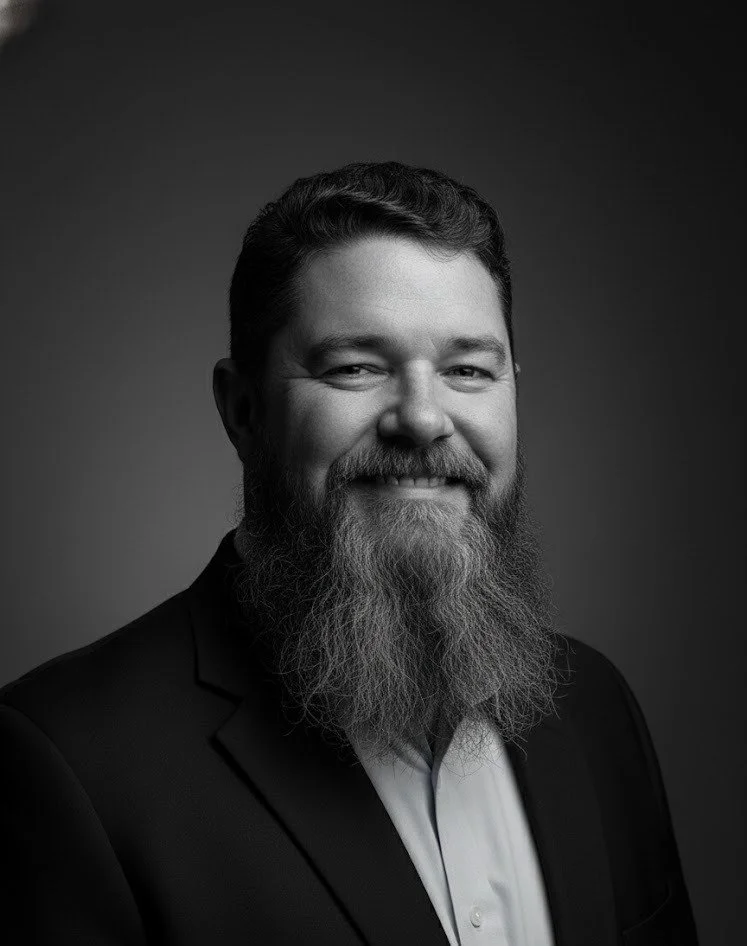
I’m a PTSD survivor, not a clinician, who spent 27 years wrestling CPTSD before I even knew it had a name.
I was finally diagnosed in 2017 and only began to feel the Echo losing its grip four years ago.
Everything in The Imprint’s Echo is something I had to piece together and field test on myself first—from decades of therapy, research on current trauma and PTSD/CPTSD theory and treatments, and shared experiences with fellow survivors. This book is the product of that journey.
I can’t do this for you, but through the book, I can walk with you a bit.
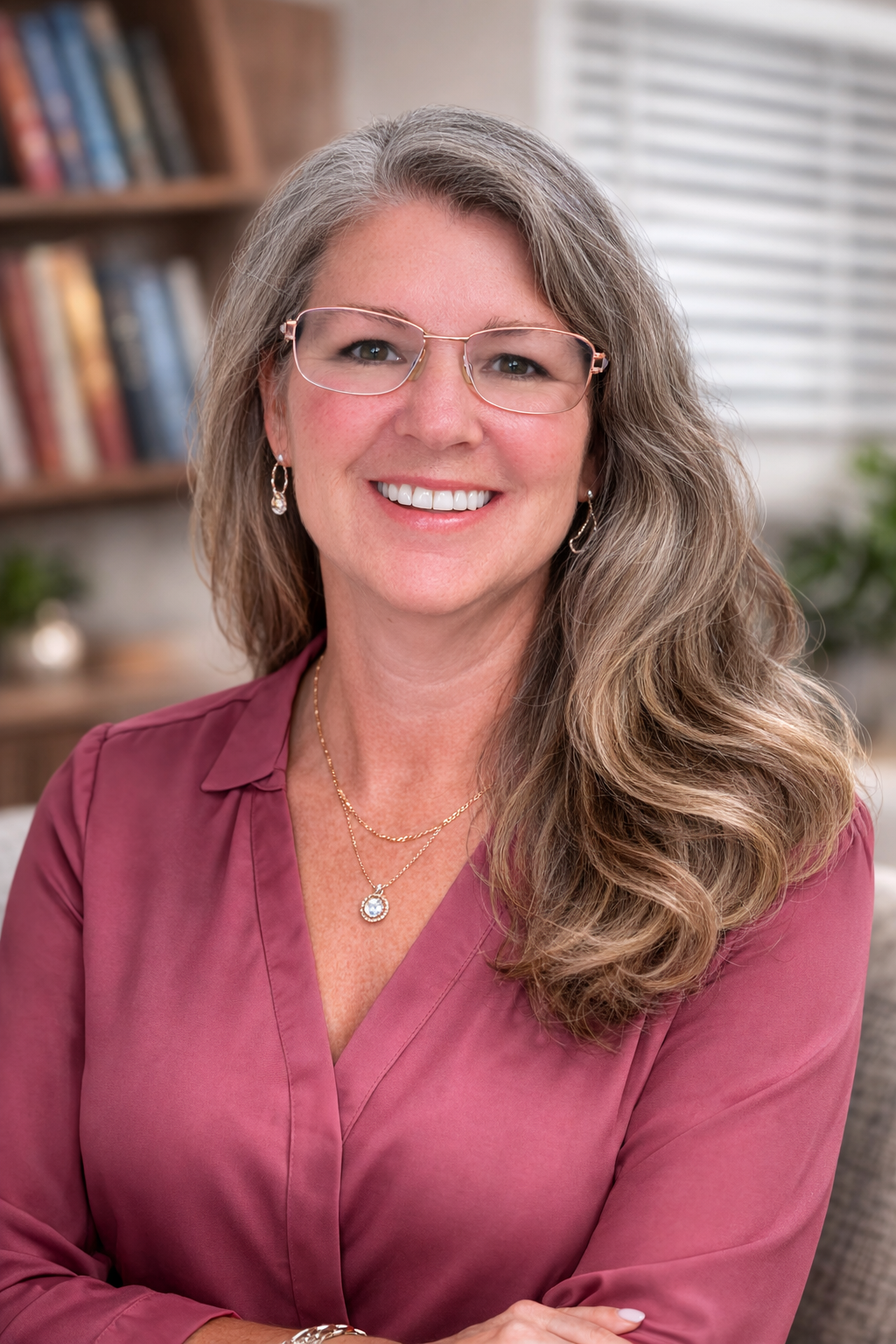
My wife is the voice of the Lighthouse. She was instrumental in me writing this book: telling her side of the story and insisting it get shared. Lighthouses have as much skin in the game as survivors do. If PTSD sufferers feel frustrated, Lighthouses feel helpless.
Lighthouses—you finally have a voice in a book on PTSD/CPTSD. Your role is not forgotten or glossed over.